Search
This guide explores how consumers can obtain a new iPhone through service providers by qualifying for specific government programs. It outlines different providers, the services they offer, and how one can qualify for these plans through various government assistance initiatives.
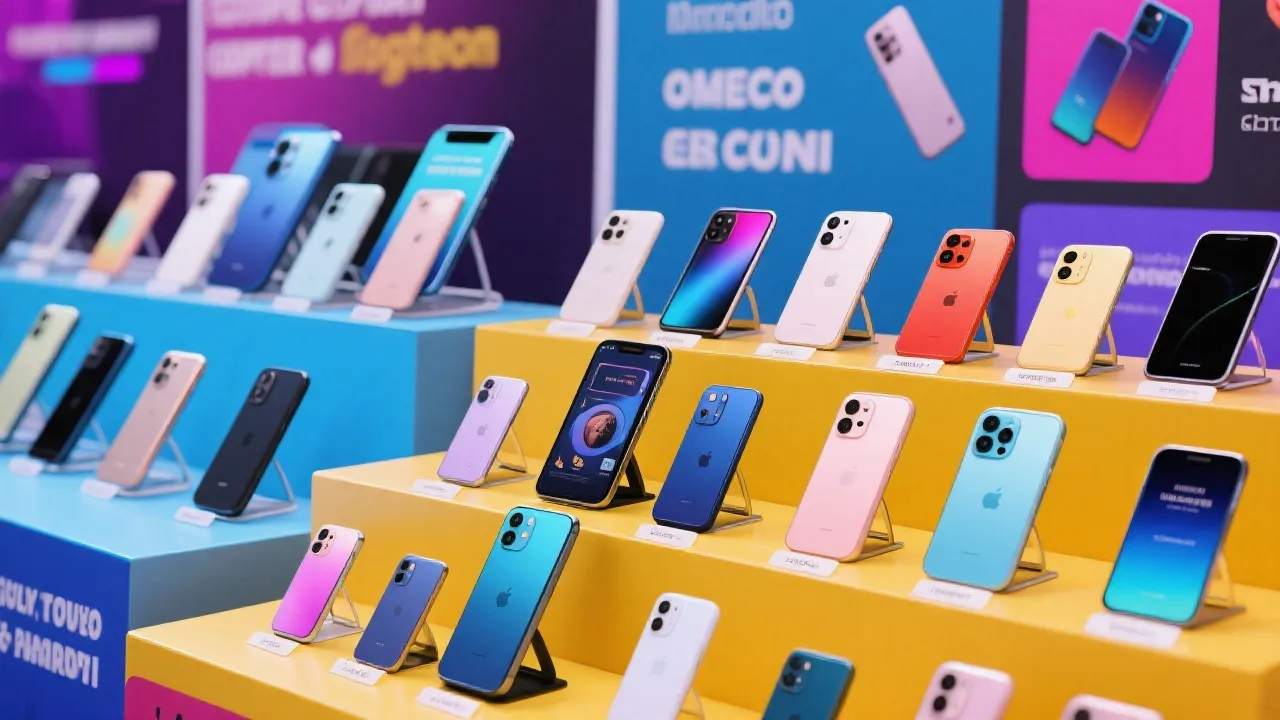
In an era where connectivity plays an integral role in our daily lives, acquiring a smartphone can sometimes pose a financial challenge for many households. The digital divide remains a significant issue, impacting access to essential resources including job opportunities, educational materials, and healthcare information. This guide addresses how individuals can receive new smartphones through particular service providers by enrolling in government programs designed to bridge this gap, thus enabling better access to modern communication tools.
Many service providers offer new smartphones, including popular models like the iPhone, when signing up for specific plans as part of government assistance programs. These programs are designed to support low-income households, allowing them to keep up with the demands of the digital age. Not only do these plans provide a crucial means of communication, but they also facilitate access to various digital services that are becoming increasingly necessary in today’s society.
Numerous service providers cater to individuals looking for subsidized plans, allowing eligible applicants to acquire a smartphone, often with additional benefits like unlimited texting and calling. Each provider has its own unique offerings, and understanding the comparative aspects can help applicants make informed decisions. Here is a detailed comparison:
| Provider | Services | Additional Costs |
|---|---|---|
| SafeLink Wireless | Offers a smartphone or BYOD (Bring Your Own Device) option, unlimited text, call, and varying data plans based on state regulations | Device upgrades and extra data may incur additional charges, particularly for high-tier smartphones |
| Assurance Wireless | Provides an Android smartphone, unlimited talk/text, and a defined data allocation that varies based on state | Optional high-speed data or international services may have extra fees, impacting users who need to make international calls |
| StandUp Wireless | Affordable smartphone or BYOD options, unlimited talk/text, and customizable data plans | Fees apply for premium phone upgrades or excess data; users should consider their usage habits when selecting plans |
| Access Wireless | Unlimited voice/text, limited high-speed data with Lifeline and ACP (Affordable Connectivity Program) benefits | Data boosts and device upgrades come with fees, making it crucial for users to evaluate their budget constraints |
| True Wireless | Government-supported phones with voice and data plans catered to low-income users | Upgrades to better devices and additional data options are optional and may cost extra, so thorough comparisons are recommended |
To obtain a smartphone through these programs, applicants must meet certain criteria, including:
The application process typically involves several straightforward steps:
Here's where you can access the official websites of the service providers for further details and assistance:
Government-assisted phone programs provide myriad benefits that extend beyond merely acquiring a smartphone. Each program aims to ensure that low-income families and individuals have access to essential communication tools, promoting inclusivity in the digital space. Here are some benefits in detail:
In a world where smartphones have become essential tools for communication, having access to reliable phone services plays a crucial role in maintaining personal relationships, securing employment, and accessing important information. These programs ensure that low-income individuals can contact employers, engage with family, and utilize online resources without a significant financial burden. Enhanced connectivity fosters a sense of community and belonging, which is vital for mental well-being.
With the shift towards online learning environments, particularly highlighted during the pandemic, access to smartphones and the internet is critical for students. Government-assisted phone programs help families who may otherwise lack the resources to purchase devices, ensuring students can engage in learning activities, access educational materials, and stay in communication with teachers and peers. By facilitating this access, these programs help bridge the educational gap faced by low-income families.
Access to smartphones enables individuals to manage health-related appointments, research medical information, and maintain communication with healthcare providers. This is particularly important for individuals with chronic conditions or those requiring ongoing monitoring. In emergencies, having a reliable phone can be a critical lifeline, allowing quick access to emergency services. Furthermore, mental health resources are more accessible, allowing individuals to seek help when needed.
For many, connectivity means directly enhancing job prospects. With smartphones, individuals can apply for jobs online, attend virtual interviews, and follow-up with potential employers efficiently. Programs designed to provide subsidized phones effectively aid in reducing employment barriers faced by low-income individuals, thereby improving their chances for economic independence and stability.
Many apps available on smartphones assist users in better managing their finances, making budgeting, bill payments, and tracking expenses simpler and more efficient. For individuals living paycheck to paycheck, these tools can be invaluable in making the most of limited resources. Government-assisted programs contribute to empowering users with financial literacy, allowing them to navigate their funds more effectively.
What is the Lifeline Program?
Lifeline is a federal initiative that provides discounted phone services to low-income households, enabling more Americans to stay connected. The program offers a monthly discount on phone service or the option for free mobile phone services, facilitating access for those in need.
Can I choose any smartphone?
The variety of smartphones and options available depend on the provider, and some may limit you to specific models or brands as part of their service plan. Users looking for particular models should inquire about available inventories directly with the provider, as upgrades may incur additional fees.
Is there a limit on the data provided?
Many plans offer a set amount of high-speed data, complemented by unlimited texting and calling. However, data limits may vary by provider and plan tier. Therefore, it is advisable to evaluate individual needs—such as streaming services or heavy application usage—to select the most appropriate plan and avoid overage charges.
How long does it take to receive my phone after applying?
Once the application is submitted and verified, the waiting period for receiving the smartphone can vary depending on the provider. On average, it could take anywhere from a few days to a couple of weeks. Regular follow-ups are recommended to check the application status and ensure no additional documents are pending.
What if my application is denied?
If an application is denied, individuals can request a re-evaluation by contacting the provider’s customer service for clarification on the reasons for denial. Understanding specific criteria that were not met can provide clarity for reapplication or exploration of alternative programs for assistance.
Acquiring a new smartphone through a government-assisted program can offer a vital lifeline for those needing support in connectivity. Each provider presents unique offers and requirements, so understanding these options is crucial for selecting the best fit for individual needs. The implications of remaining connected—be it for education, healthcare, employment, or budgeting—underscore the importance of these programs in fostering equality of access to technology.
Please refer to the source links provided earlier for the most current details and to initiate your application process. By educating yourself on the various providers and programs available, you empower yourself and potentially countless others to bridge the digital divide that affects so many in today’s society.
Disclaimer: The above information is derived from online resources available as of October 2023. This website cannot guarantee the availability of a government phone to every applicant. Applicants should refer to the respective provider's official requirements for precise instructions. This content is not updated in real-time, and it is advisable to verify details directly with service providers.
By taking full advantage of government-assisted phone programs, eligible candidates equip themselves with the tools necessary to navigate the modern world, ensuring they are included in the digital transformation shaping our society.

This guide explores how one can obtain an iPhone through new service plans offered by providers. The opportunity to acquire a phone without upfront expenses can be enticing, especially for those eligible for federal or state programs. The article delves into the details of services, eligibility, and the application process, providing a comprehensive overview of the available options.
This guide examines options for obtaining an iPhone with a new service plan. Exploring various phone service providers offers insight into different packages and how eligible consumers might acquire such devices. Through industry expert analysis and a comprehensive table of provider services, this article clarifies opportunities for those seeking advanced devices under specific eligibility criteria.
This guide explores opportunities to acquire an iPhone when subscribing to new service plans. It examines the possibility of obtaining a smartphone through specific programs that cater to income-qualified individuals. This article delves into several government-backed initiatives, designed to bridge the digital divide by offering smartphones to individuals who meet specific eligibility requirements.
Discover the potential to get a smartphone through new service plans. Companies like SafeLink Wireless, Assurance Wireless, and others offer government-supported phone options to eligible individuals. These programs aim to connect people through essential communication services, often requiring proof of participation in certain assistance programs or income eligibility.
In the pursuit of making smartphones more accessible, several government-backed programs have emerged, offering affordable devices and services to eligible individuals. This guide delves into these initiatives, primarily focusing on those offering iPhones as part of new service registrations, shedding light on their eligibility requirements, application procedures, and the benefits they provide. Discover how these options are transforming communication accessibility.
This guide explores options for obtaining iPhones with new plans, highlighting government-supported programs and their offerings. Many service providers present enticing deals, including attractive plans that pair new smartphones with cellular services. Learn more about eligibility criteria, application processes, and the nuances involved in securing these valuable bundles.
This comprehensive guide delves into how you can obtain an iPhone by signing up for new service plans. Providers offer government-subsidized phone services based on eligibility criteria, influenced by income or participation in aid programs. Learn about various service options and application processes that may lead to landing a new device.
This guide explores how to obtain a smartphone through government phone programs. With various providers offering service plans, these programs aim to ensure access to mobile communication for eligible individuals. Understanding the different service offerings, costs, and the required eligibility criteria is crucial for those seeking to benefit from these plans.