Search
This guide explores dental implants for seniors, detailing the process, benefits, and costs involved. Dental implants provide a good solution for missing teeth, significantly improving seniors' quality of life. The article also offers insight into low-cost options and price comparisons in various English-speaking countries.
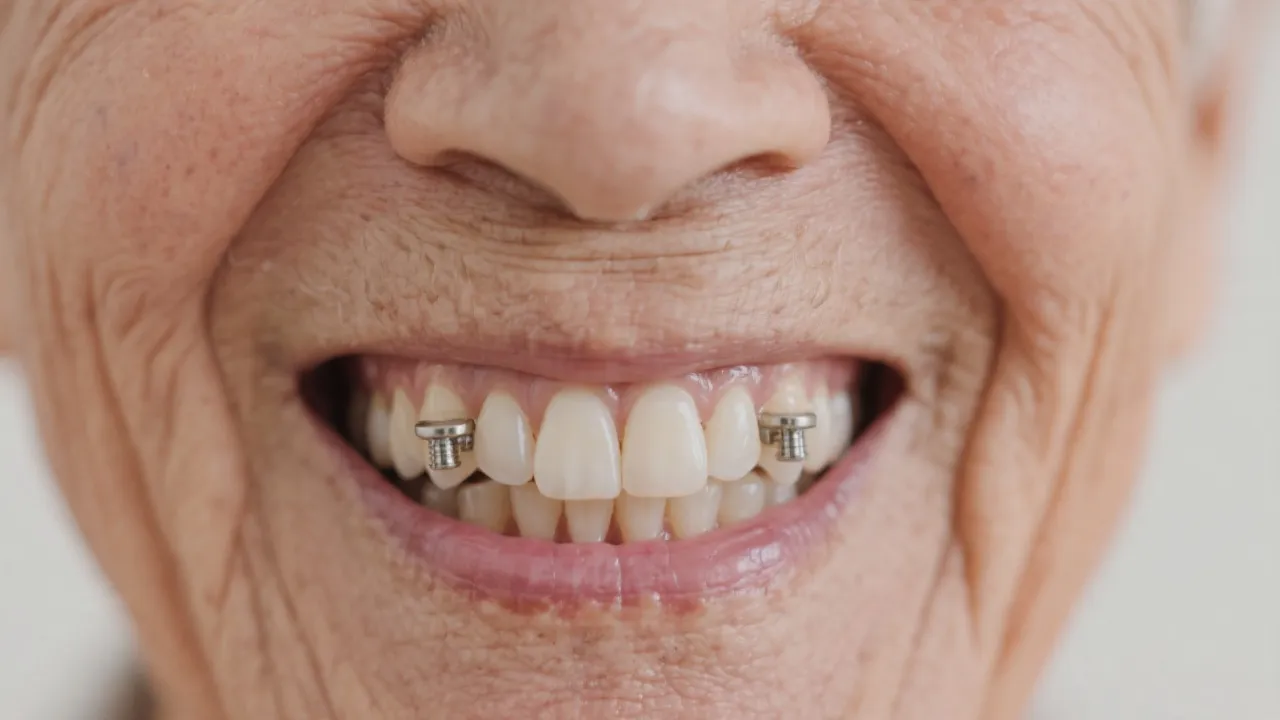
Dental implants have increasingly become a reliable solution for tooth replacement, especially among seniors. They offer a durable and natural-looking option that can significantly enhance the quality of life for older adults. Unlike traditional dentures, dental implants are anchored into the jawbone, providing stability and preventing further bone loss. The process of dental implantation consists of several steps that need to be efficiently executed to ensure high success rates. First, the titanium implant is surgically placed in the jawbone. Over the next few months, the implant undergoes osseointegration, where it fuses with the bone, creating a strong foundation for the replacement tooth. Finally, an abutment is attached to the implant, and a crown is placed to restore the function and aesthetics of the smile. This entire procedure, while involving time and care, leads to a long-lasting solution, making it particularly appealing to seniors who may have faced challenges with dentures in the past.
Seniors benefit significantly from dental implants in several ways. They provide a good and stable solution for missing teeth, which can improve chewing functionality and speech. Moreover, dental implants support facial structures, preventing the sunken appearance often associated with missing teeth. This is particularly important as many seniors may experience facial volume loss due to bone resorption after tooth loss. The flush appearance of dental implants helps maintain the natural contours of the face, allowing seniors to feel younger and more confident regarding their appearance. Additionally, maintaining oral hygiene is often easier with implants compared to dentures. Unlike dentures, which require removal for cleaning and can trap food particles, implants function as natural teeth and can be brushed and flossed just as regularly.
Another significant advantage of dental implants is their long-term cost-effectiveness. While the initial investment may be higher than that for dentures, implants can last many years, often for a lifetime, if cared for properly. This durability means that seniors may ultimately spend less on dental care in the long run. Furthermore, since dental implants do not require adhesive and do not need to be replaced regularly, they eliminate many of the ongoing costs associated with denture care.
One of the primary concerns for seniors considering dental implants is the cost. These costs can vary widely depending on the country and the specific dental clinic. Here is a detailed table outlining the cost ranges for individual dental implants in multiple countries:
| Country | Price Range |
|---|---|
| United States (US) | $3,000 - $6,000 USD |
| United Kingdom (GB) | £2,000 - £2,500 GBP |
| Australia (AU) | AU$3,500 - AU$6,500 AUD |
| Canada (CA) | CA$3,000 - CA$5,500 CAD |
These price ranges highlight the variance in costs across different regions. It's important for seniors to compare options and consult with dental clinics to understand the specific expenses involved. Factors such as the complexity of the case, the materials used, and any additional procedures like bone grafting can all influence the total cost. Seniors should also take into account any follow-up visits or maintenance that might be required post-surgery, which can further affect their financial planning.
For seniors seeking more affordable dental implant options, several resources can help. Reputable websites like Dental Views, Atlantic Dental Group, and DentaVacation focus on providing low-cost dental implant solutions:
| Name | Focus |
|---|---|
| Dental Views | Low-cost dental implant solutions |
| Atlantic Dental Group | Comprehensive dental services |
| DentaVacation | Dental tourism and cost comparison |
Additionally, organizations and community health programs may offer resources or connections to affordable dental care options. Seniors should also consider looking into local dental schools, where supervised students may provide services at significantly reduced rates. While procedures performed by students can take a bit longer, they are often just as effective under the guidance of experienced professionals.
Several strategies can help seniors minimize the costs associated with dental implants:
Q: Are dental implants suitable for all seniors?
A: Many seniors in good health are candidates for dental implants, but a thorough examination by a dental professional is necessary to ensure suitability. Factors such as overall health, bone density, and existing medical conditions can affect candidacy. The dentist may also perform imaging tests like X-rays to assess the jawbone's condition before proceeding.
Q: How long do dental implants last?
A: With proper care and maintenance, dental implants can last a lifetime. Regular dental check-ups are essential for longevity. It's also important for patients to practice good oral hygiene and avoid habits that could jeopardize the integrity of the implants, such as smoking or neglecting dental care.
Q: What are the alternatives to dental implants for seniors?
A: Alternatives include dentures and bridges. However, implants are often preferred for their permanence and functionality. Dentures can slip, cause discomfort, or impact speech, while bridges require adjacent teeth to be altered, which may not always be viable for seniors who already have dental concerns. Ultimately, the best option depends on individual circumstances and preferences.
While dental implants can provide many benefits, it's essential to consider the potential risks and complications. As with any surgical procedure, there can be complications such as infection at the implant site, nerve damage, or sinus issues if the implants are placed in the upper jaw. Proper case selection and adhering to post-operative care instructions significantly reduce these risks.
Another consideration is the possible need for preliminary procedures if a senior lacks adequate bone density to support an implant. Bone grafting may be necessary, which can add to overall costs and extend the treatment timeline. It's crucial for seniors to have an in-depth conversation with their dentist about these possibilities during their initial consultation.
After receiving dental implants, seniors should follow specific post-operative care instructions to ensure successful healing. Common recommendations include:
Dental implants can significantly enhance the lives of seniors by providing a reliable solution to tooth loss. They not only restore functionality but also improve self-esteem and quality of life. Despite the higher upfront costs, the investment in dental health and a restored smile can be invaluable in enhancing daily living. By exploring various options and resources, seniors can find affordable solutions to restore their smiles without compromising on quality. While the journey to dental implants may involve several steps and considerations, the right approach can lead to a successful and fulfilling outcome.
Disclaimer: The above information is sourced from online resources as of October 2023. Dental implant prices are for reference only and may vary by region, clinic, and doctor.
Reference Links:
This article delves into the essential aspects of dental implants for seniors, providing a comprehensive overview of this dental solution's benefits and potential challenges. Dental implants are a widely adopted method for replacing missing teeth, especially in older adults. They offer a good solution that supports overall oral health and quality of life.

This comprehensive guide explores the world of dental implants specifically designed for seniors. As individuals age, maintaining oral health becomes increasingly important, and dental implants offer a viable solution to missing teeth. The article delves into the benefits of these procedures, addresses common concerns, and provides a thorough comparison of low-cost options available in English-speaking countries.

This guide provides an in-depth look into the realm of dental implants for seniors. With advancing age, maintaining oral health becomes increasingly important, and dental implants offer a reliable solution for tooth replacement. The article covers the benefits, processes, and cost considerations, providing insights into affordable dental care options specifically tailored to senior needs.
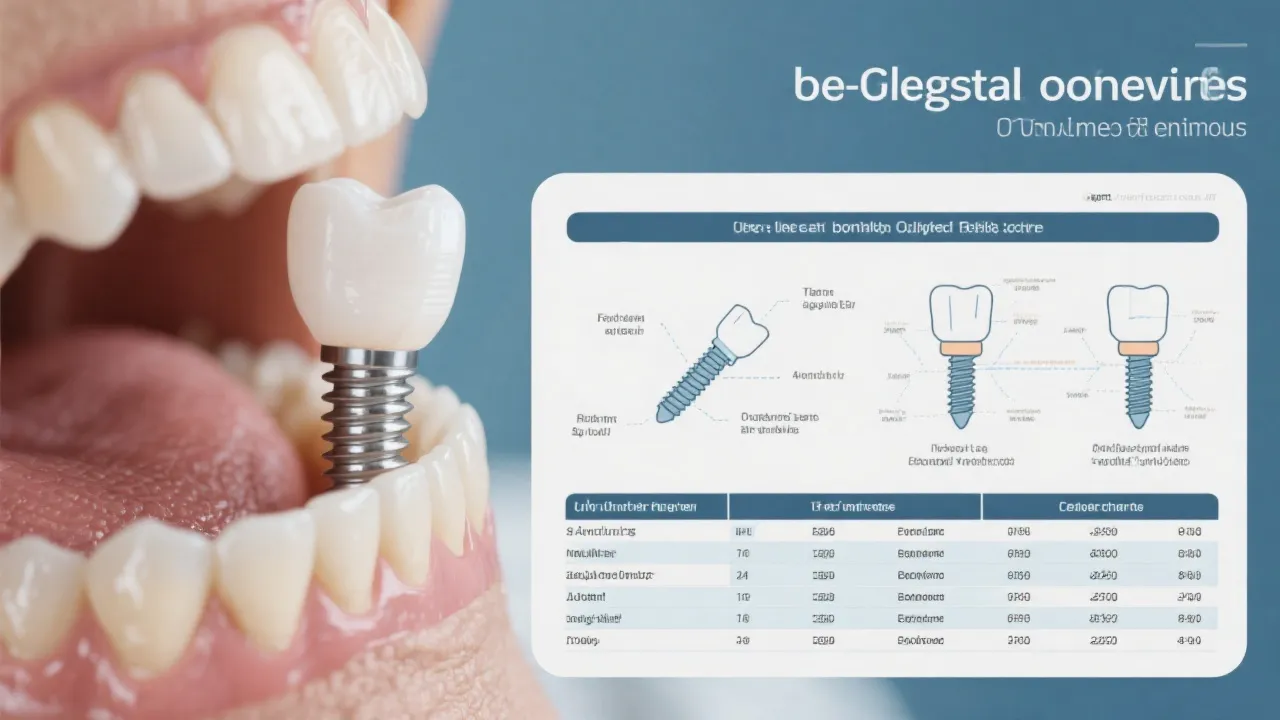
This comprehensive guide explores the world of dental implants tailored for seniors, highlighting their significance in maintaining oral health and quality of life. Dental implants are artificial tooth roots used to support restoration for missing teeth. They offer a durable solution, improving both aesthetic appearance and functionality, particularly vital for seniors facing tooth loss.

Dental implants provide seniors with a durable solution for missing teeth, enhancing both function and aesthetics. This guide explores the advantages and challenges of dental implants for seniors, offering insights into costs, procedures, and affordable options. It delves into the critical aspects of understanding and obtaining dental implants, especially pertinent to the needs of senior individuals.

This comprehensive guide explores the nuances of dental implants for seniors, offering an essential understanding of how implants can enhance oral health in later life. Dental implants have revolutionized senior dental care, providing an effective solution for tooth loss. By offering insights into costs, procedures, and considerations, we help seniors make informed decisions about pursuing this transformative dental treatment.
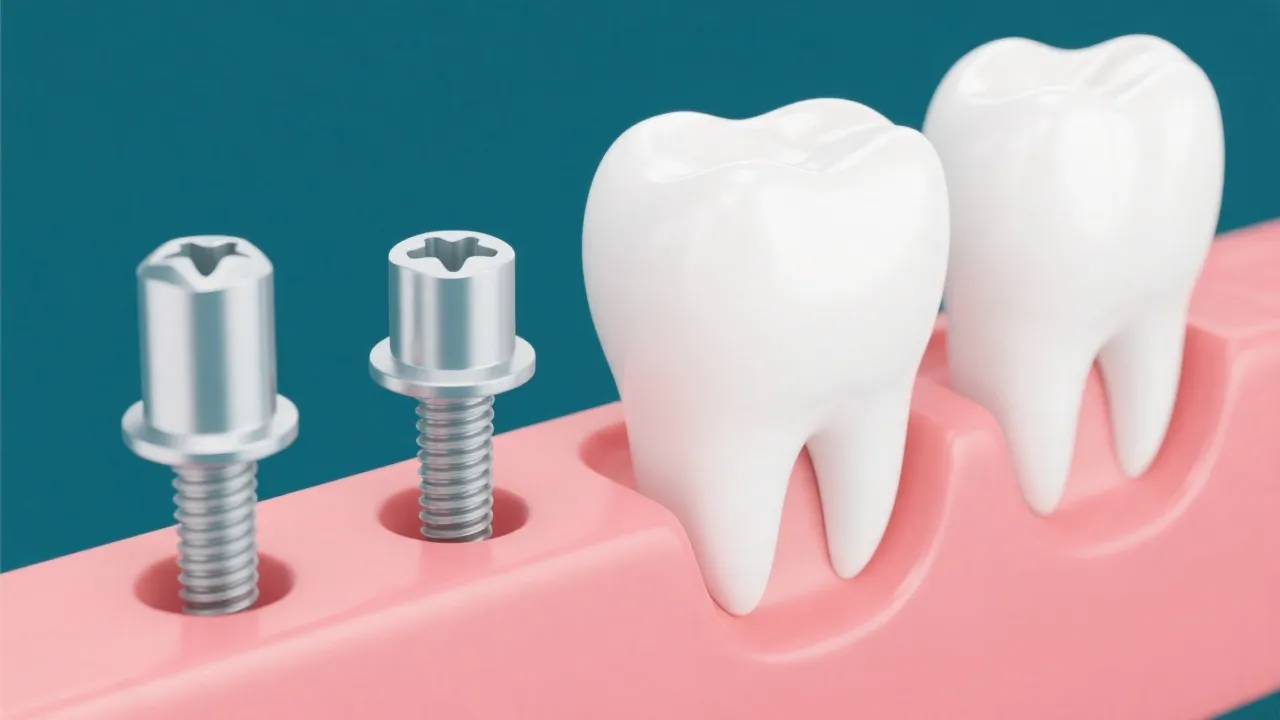
This guide delves into the realm of affordable dental implants, highlighting options like the $150 dental implants to cater to budget-conscious patients. Dental implants serve as superior solutions for tooth loss, offering durability and functionality akin to natural teeth. This article provides expert insights into how you can achieve affordable dental implants, alongside a comprehensive comparison of low-cost dental providers.
This guide explores the landscape of low-cost dental implants, offering insights on obtaining $150 dental implants while comparing major providers globally. Dental implants are recognized as a pivotal solution for replacing missing teeth, ensuring both functionality and aesthetics. Their reputation stems from their durability and the natural feel they provide, making them a preferred choice over traditional dentures or bridges.