Search
Explore the intriguing pathway to acquiring a complimentary iPhone through new service activations, detailed in this guide. Cell phone providers in nearby regions offer enticing deals with affordable device options under specific eligibility criteria. This article delves into alternative plans from providers like SafeLink Wireless, Assurance Wireless, StandUp Wireless, Access Wireless, and True Wireless, focusing on the benefits, costs, and application processes.
The pursuit of securing a complimentary smartphone through new service agreements is more attainable than many realize. Various service providers offer enticing packages that include such deals, primarily targeting low-income households or individuals partaking in government assistance programs. This article aims to explore the options available, focusing on key providers and understanding the nuances involved in availing these offers. As technology continues to evolve, the importance of having reliable communication tools becomes paramount, especially for those who are economically disadvantaged. A complimentary smartphone can provide access to opportunities, information, and connections that otherwise may be out of reach, thus empowering individuals and communities.
In the ever-evolving telecommunication landscape, several service providers have stepped up to offer affordable connectivity solutions. Prominent among them are SafeLink Wireless, Assurance Wireless, StandUp Wireless, Access Wireless, and True Wireless. Each provider comes with its unique plans, features, and eligibility criteria, tailored to cater to a diverse audience. In this section, we will delve deeper into these providers' offerings, analyze their strengths and weaknesses, and what sets them apart in this competitive market.
| Provider | Services Offered | Additional Costs |
|---|---|---|
| SafeLink Wireless | Complimentary smartphone or BYOD, unlimited texts, calls, and data based on state and plan. | Potential charges for device upgrades or additional data. |
| Assurance Wireless | Complimentary Android smartphone, unlimited talk, text, and varying data plans. | Charges for extra high-speed data or international calls. |
| StandUp Wireless | Complimentary smartphone or BYOD, unlimited talk, text, and data packages. | Fees for premium phone upgrades or extra data. |
| Access Wireless | Unlimited calls, texts, and limited high-speed data with Lifeline and ACP benefits. | Optional data boosts and device enhancements available. |
| True Wireless | Government-supported phones, voice, and data plans. | Option for upgrades to superior devices or further data plans. |
Source: SafeLink Wireless, Assurance Wireless, StandUp Wireless, Access Wireless, True Wireless
Securing a complimentary phone through these services requires satisfying certain eligibility requisites. Generally, candidates must demonstrate an income at or below 135% of the federal poverty guidelines for the Lifeline program and 200% for the Affordable Connectivity Program (ACP). Alternatively, participation in government assistance programs such as Medicaid, SNAP, SSI, or FPHA qualifies an individual. Those residing on Tribal lands may access additional benefits. The criteria aim to ensure that these essential services reach those who need them most, providing a crucial lifeline in today's digital age.
Before embarking on the application process, it's important to be aware of the specific requirements each provider may have. For instance, while all of them require proof of income, some may have additional stipulations, such as needing identification documents or proof of residence. Ensuring that you have all necessary documents gathered beforehand can expedite the application process significantly.
Before setting forth an application, it is prudent to assess the offered services in comparison with personal needs. Some might prefer certain features, such as higher data limits or specific phone models that may incur additional costs. Weighing benefits against potential charges ensures that these offerings meet individual expectations effectively. It's also vital to consider long-term commitment aspects, as some plans may require an agreement period or may not offer flexibility if your circumstances change.
When evaluating different service providers, consider factors such as coverage areas, data speeds, and customer reviews. For some users, particularly those in rural or underserved locations, the quality of service can greatly vary between carriers. Checking coverage maps available on provider websites can help to visualize whether the service is robust in your area. Furthermore, exploring customer feedback on social media or review sites can provide insight into user experiences, helping you make an informed choice.
Most providers offer a complimentary smartphone with their service plan. However, users need to consider if the provided devices meet their daily needs. Some individuals may prefer the option of bringing their own device (BYOD) to retain a current phone. In such cases, it's essential to confirm compatibility with the chosen provider. Additionally, many providers offer upgrade options for more advanced devices, although these may come with extra fees. Thoroughly researching available devices and their specifications may lead to better satisfaction with your service choice.
Q: What are the primary benefits of enrolling in these government phone programs?
A: These programs provide accessible communication solutions, offering significant savings on phone services for eligible users. They can enhance a person’s ability to connect with family, apply for jobs, or access crucial services. Many people report feeling more secure having access to a reliable phone.
Q: Can I keep my current phone number if I switch to one of these providers?
A: Typically, providers facilitate the retention of your existing phone number as you transition to their services, ensuring a seamless switch. However, it's advisable to check directly with your new provider regarding any particular steps you need to follow during this process.
Q: How long does it take to process applications?
A: Processing times vary but generally, you'll receive feedback or approval within a few business days. In some cases, applications can be processed within 24 hours, especially during high-demand periods, although delays may occur due to documentation issues.
Q: Are there any hidden fees associated with these services?
A: While services are marketed as complimentary, some may incur fees for upgrades, additional data, or international calling. It's wise to read the terms and conditions thoroughly before signing up and inquire about potential costs with the provider's support team.
Q: Can I upgrade my device at any time?
A: Many providers have policies concerning device upgrades; some allow for it right away, while others may require a certain amount of time to have elapsed or a contract to be met. Always confirm this with your provider to avoid any surprise fees.
Disclaimer: The above information is derived from online sources as of October 2023. We cannot assure that all applicants will qualify for these government-assisted phone programs. For precise application procedures and comprehensive requirements, please consult the official sources of each provider. This publication does not get updated concurrent with real-time changes.
Reference Links: SafeLink Wireless, Assurance Wireless, StandUp Wireless, Access Wireless, True Wireless
Offering complimentary smartphones is not just a business strategy; it plays a significant role in bridging the digital divide. In an increasingly digital-dependent world, access to communication tools can make a profound difference in individuals' lives, contributing to their economic stability and social mobility.
For many individuals, especially those in low-income brackets, a reliable phone means more than mere communication; it signifies access to essential services, job opportunities, education, and healthcare. It serves as a critical tool for job hunting, allowing users to connect with potential employers quickly. In an era where many companies conduct hiring processes entirely online, lacking a phone can exclude personable applicants from job opportunities. Furthermore, having a smartphone facilitates remote learning, allowing individuals to participate in online courses and trainings, an increasingly vital aspect of personal and professional development.
Besides job applications, smartphones are crucial in accessing healthcare services as well. Many health-related entities provide telehealth services, allowing patients to consult physicians remotely, follow up with specialists, or manage appointments from the comfort of their homes. With health care moving towards digital solutions, those without smartphones or reliable internet may face barriers in receiving timely medical assistance. Programs that provide complimentary smartphones help ensure that no one is left behind when it comes to essential health services, especially during unprecedented times like the COVID-19 pandemic.
Beyond practical uses, smartphones can foster social connections and community involvement. For many, especially seniors and people with disabilities, having an accessible means to communicate can counter feelings of isolation and foster relationships. Access to social media platforms can help individuals stay connected with family and friends, participate in community events, or even become involved in local activism. Providing individuals with smartphones helps to cultivate community ties, making them feel integral to the societal fabric around them.
The future of complimentary smartphone programs appears promising but navigating this landscape will require continuous adaptation and enhancement. As technological advancements arise, service providers must innovate to cater to a dynamic customer base, sustaining relevance in a market that consistently seeks greater efficiency and effectiveness.
Future smartphones may integrate functionalities beyond what is currently offered, potentially including advanced features such as augmented reality capabilities, improved security protocols, and enhanced educational resources. As technology transpires, the significance of ensuring users can access these advancements is critical in maintaining equality in digital literacy. Service providers will need to evolve their offerings to ensure that users are not only provided with basic connectivity but also with access to emergent features that can significantly enhance their user experience.
Policymakers must ensure that as new technologies emerge, programs remain equitable, accessible, and aligned with users’ actual needs. Continued advocacy for inclusive technologies will ensure that programs can adapt to the diverse requirements of underserved populations. This includes reassessing eligibility criteria for outside program growth and finding ways to engage community members directly in the planning processes, ensuring services remain relevant and effective.
Non-profit organizations play an important role in bridge communication between service providers and users. From raising awareness about available resources to assisting individuals in navigating the application process, these organizations can significantly enhance the reach of the complimentary smartphone initiative. Building grassroots awareness and education will empower individuals to take advantage of these technologies effectively. Moreover, such organizations can collect feedback from users to advocate further improvements and innovations, tailoring services to community-specific challenges.
In conclusion, the landscape surrounding complimentary smartphones and the services connected to them is continually evolving. With numerous options available, understanding the choices and processes is vital for individuals who stand to benefit. From facilitating job mobility and healthcare access to enhancing social connections, these smartphones serve as essential tools for overcoming barriers faced by low-income households. As communities strive to bridge the digital divide, the continued provision and enhancement of such services remain critical. Through informed decisions, individuals can leverage these opportunities, contributing to their empowerment and improved quality of life.
This guide explores how one can obtain an iPhone through new service plans offered by providers. The opportunity to acquire a phone without upfront expenses can be enticing, especially for those eligible for federal or state programs. The article delves into the details of services, eligibility, and the application process, providing a comprehensive overview of the available options.
This guide examines options for obtaining an iPhone with a new service plan. Exploring various phone service providers offers insight into different packages and how eligible consumers might acquire such devices. Through industry expert analysis and a comprehensive table of provider services, this article clarifies opportunities for those seeking advanced devices under specific eligibility criteria.
This guide explores opportunities to acquire an iPhone when subscribing to new service plans. It examines the possibility of obtaining a smartphone through specific programs that cater to income-qualified individuals. This article delves into several government-backed initiatives, designed to bridge the digital divide by offering smartphones to individuals who meet specific eligibility requirements.
Discover the potential to get a smartphone through new service plans. Companies like SafeLink Wireless, Assurance Wireless, and others offer government-supported phone options to eligible individuals. These programs aim to connect people through essential communication services, often requiring proof of participation in certain assistance programs or income eligibility.
In the pursuit of making smartphones more accessible, several government-backed programs have emerged, offering affordable devices and services to eligible individuals. This guide delves into these initiatives, primarily focusing on those offering iPhones as part of new service registrations, shedding light on their eligibility requirements, application procedures, and the benefits they provide. Discover how these options are transforming communication accessibility.
This guide explores options for obtaining iPhones with new plans, highlighting government-supported programs and their offerings. Many service providers present enticing deals, including attractive plans that pair new smartphones with cellular services. Learn more about eligibility criteria, application processes, and the nuances involved in securing these valuable bundles.
This comprehensive guide delves into how you can obtain an iPhone by signing up for new service plans. Providers offer government-subsidized phone services based on eligibility criteria, influenced by income or participation in aid programs. Learn about various service options and application processes that may lead to landing a new device.
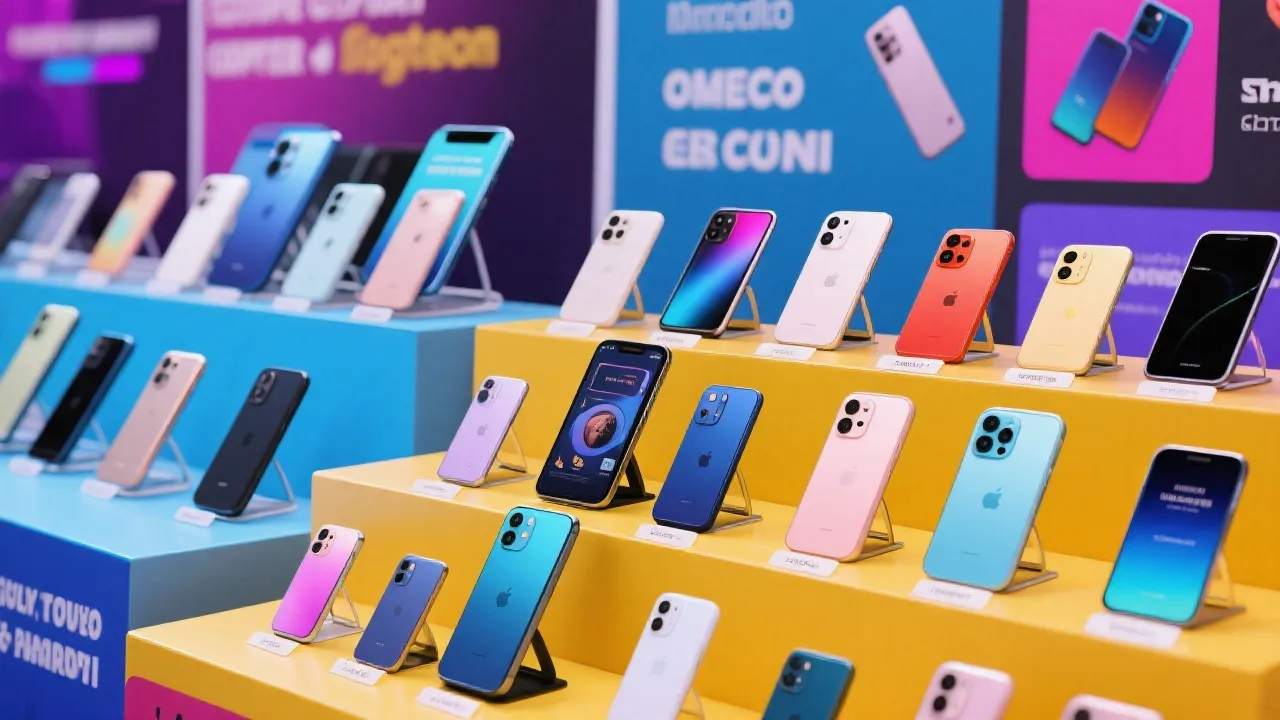
This guide explores how consumers can obtain a new iPhone through service providers by qualifying for specific government programs. It outlines different providers, the services they offer, and how one can qualify for these plans through various government assistance initiatives.