Search
This comprehensive guide explores the nuances of dental implants for seniors, offering an essential understanding of how implants can enhance oral health in later life. Dental implants have revolutionized senior dental care, providing an effective solution for tooth loss. By offering insights into costs, procedures, and considerations, we help seniors make informed decisions about pursuing this transformative dental treatment.

As people age, maintaining oral health becomes increasingly critical, not only for aesthetics but also for overall health. Dental implants have emerged as a leading solution for seniors dealing with tooth loss, providing a durable and reliable option that mimics the natural tooth structure. In this guide, we delve into why dental implants are a preferred choice for older adults, their costs, and the steps to acquire them, while also exploring the long-term benefits, advancements in dental technology, and potential challenges that seniors may face during the implant process.
Dental implants stand out due to their durability and functionality, offering a lifelike solution that preserves the jawbone and maintains facial structure. For seniors, implants can vastly improve quality of life by enabling easier chewing, clearer speech, and boosting self-esteem. Unlike dentures, implants do not slip or require adhesives, making them ideal for older adults seeking a hassle-free solution. Moreover, implants function just like natural teeth allowing seniors to enjoy their favorite foods without the discomfort often associated with dentures.
Another substantial advantage of dental implants is their ability to prevent bone loss. When a tooth is lost, the bone begins to deteriorate due to lack of stimulation. Implants act as a tooth root, helping to retain the bone density in the jaw. This not only contributes to the longevity of the implant itself but also supports the overall health of the facial structure.
Furthermore, implants can significantly enhance one's social life and mental wellbeing. The confidence boost from having a complete smile can encourage seniors to engage more actively and positively in social situations, potentially combating feelings of isolation that can accompany tooth loss.
The cost of dental implants varies by region and is a significant factor for many seniors considering this dental procedure. Below is a general overview of implant cost ranges in English-speaking countries:
| Country | Currency | Cost Range |
|---|---|---|
| United States (US) | USD | $3,000 - $6,000 |
| United Kingdom (GB) | GBP | £2,000 - £2,500 |
| Australia (AU) | AUD | AU$3,500 - AU$6,500 |
| Canada (CA) | CAD | CA$3,000 - CA$5,500 |
Understanding and budgeting for the cost can be overwhelming, yet a detailed breakdown of the expenses involved can help seniors make informed financial decisions. The overall cost of dental implants typically includes several components: the initial consultation, the cost of the implant posts, the abutment (the connector piece), and the crown placed on top of the implant. Other expenses may include imaging tests, any necessary tooth extractions, anesthesia, and follow-up visits.
While dental implants are an investment in one’s health, many organizations and clinics offer solutions to alleviate financial burdens. For affordable dental implants, consider the following approaches:
Seniors should carry out thorough research on local and international options for affordable dental implants, compare the viability of each option, and seek guidance from dental professionals when needed.
| Clinic | Features |
|---|---|
| Dental Views | Low-cost implants, comprehensive info, and FAQs |
| Atlantic Dental Group | Wide range of services, appointment scheduling |
| DentaVacation | Dental tourism, cost comparisons, travel coordination |
| Local Dental Schools | Reduced-cost services, supervised dental professionals in training |
Source: [Dental Views](https://dentalviews.com/low-cost-dental-implants/), [Atlantic Dental Group](https://www.atlanticdentalgrp.com/), [DentaVacation](https://www.dentavacation.com/).
Before proceeding with dental implant surgery, seniors should consult with a qualified dental professional to ensure they are ideal candidates. Factors such as bone density, overall health, and personal needs must be evaluated. Additionally, seeking testimonials or reviews from former patients can provide insights into selecting the right clinic or provider.
Moreover, seniors should consider scheduling a comprehensive dental examination that includes imaging studies. This allows the dental team to create a tailored treatment plan customized to the individual’s needs. It is important that seniors fully disclose their medical histories and any medications they're taking, as these can affect both the procedure's safety and its outcome. Some dental practices offer initial consultations at no cost, making it easier for seniors to explore their options without immediate financial commitment.
Lastly, it is crucial to be aware of any potential side effects or complications that can arise from dental implants. While modern techniques have made implants remarkably predictable, some individuals may experience infections, nerve damage, or implant failure. By addressing any concerns with the dentist and discussing options for mitigating risks, seniors can undergo the process with greater peace of mind.
Recent advancements in dental technology have dramatically improved the experience and outcomes associated with dental implants. Techniques such as digital imaging and 3D printing allow for more precise planning and execution of implant placements. Using computer-aided design (CAD) software, dentists can create a personalized treatment plan that maps out the specific angles and positions for each implant, ultimately reducing procedural time and enhancing accuracy.
Moreover, technologies like guided implant surgery have gained traction. This technique involves using a surgical guide, developed beforehand based on the 3D imaging data, to enable precise placement of the implants. This minimally invasive approach has shown to improve recovery times and reduce discomfort compared to traditional methods.
Another breakthrough that can benefit seniors is the use of bone grafting materials that help to promote bone regeneration. For seniors who may have experienced significant bone loss, these materials can provide a solid foundation for the implants, making the procedure feasible when it previously might not have been an option. There are now also biologic materials derived from collagen or synthetic sources, which help support the body's natural healing processes.
Technology has also extended into the realm of after-care and follow-up. Telemedicine allows seniors to have virtual consultations or follow-ups without needing to travel to the clinic, making ongoing care more accessible and convenient. This can be particularly useful for seniors with mobility issues or those living in remote areas.
In conclusion, dental implants present a viable and increasingly popular solution for older adults facing tooth loss. The combination of benefits such as improved functionality, long-term durability, and aesthetics makes implants an attractive option for many seniors. While the initial cost may seem daunting, understanding the various financial options and resources available can help mitigate these concerns. Moreover, technology advancements continue to enhance the safety, effectiveness, and overall experience of dental implant procedures.
By taking proactive steps in dental health and exploring options like implants, seniors can significantly improve their quality of life, enabling them to maintain independence while enjoying their favorite foods, smiling confidently, and engaging socially without the drawbacks associated with traditional dentures.
Engagement with dental professionals, educational resources, and fellow seniors can further enhance knowledge and pave the way for informed decisions regarding oral health. With the right support system and attitude, aging individuals can embrace dental advancements with confidence, thereby enhancing their overall wellbeing and vitality.
1). The above information comes from online resources, and the data is as of October 2023. 2). Dental implant prices are for reference only and may vary by region, clinic, and doctor.
For more insights, visit: [Dental Views](https://dentalviews.com/low-cost-dental-implants/), [Atlantic Dental Group](https://www.atlanticdentalgrp.com/), [DentaVacation](https://www.dentavacation.com/).

This comprehensive guide delves into dental implants for seniors, exploring their benefits, costs, and accessibility. Dental implants offer a sustainable solution for tooth replacement, significantly enhancing the quality of life for seniors. The financial aspect is crucial, as aging individuals may face budgetary constraints; hence, exploring affordable implant options is vital for this demographic to access necessary dental care.
This article delves into the essential aspects of dental implants for seniors, providing a comprehensive overview of this dental solution's benefits and potential challenges. Dental implants are a widely adopted method for replacing missing teeth, especially in older adults. They offer a good solution that supports overall oral health and quality of life.

This comprehensive guide explores the world of dental implants specifically designed for seniors. As individuals age, maintaining oral health becomes increasingly important, and dental implants offer a viable solution to missing teeth. The article delves into the benefits of these procedures, addresses common concerns, and provides a thorough comparison of low-cost options available in English-speaking countries.

This guide provides an in-depth look into the realm of dental implants for seniors. With advancing age, maintaining oral health becomes increasingly important, and dental implants offer a reliable solution for tooth replacement. The article covers the benefits, processes, and cost considerations, providing insights into affordable dental care options specifically tailored to senior needs.
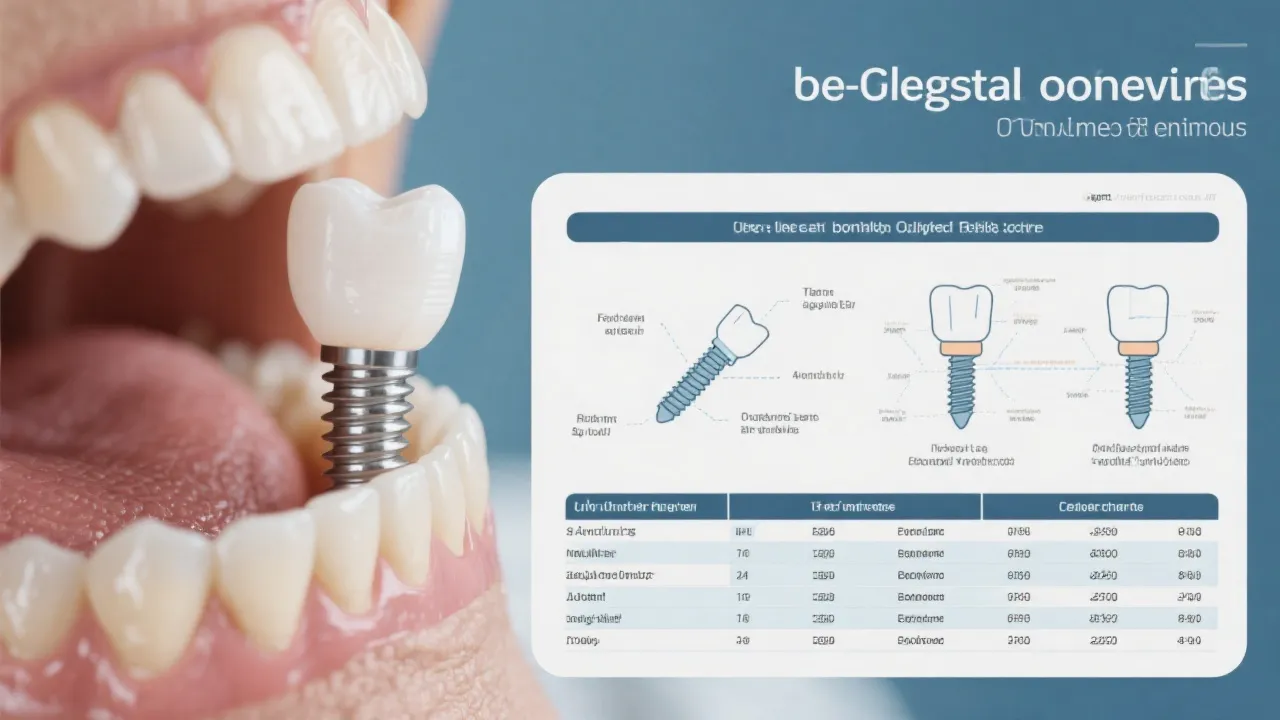
This comprehensive guide explores the world of dental implants tailored for seniors, highlighting their significance in maintaining oral health and quality of life. Dental implants are artificial tooth roots used to support restoration for missing teeth. They offer a durable solution, improving both aesthetic appearance and functionality, particularly vital for seniors facing tooth loss.

Dental implants provide seniors with a durable solution for missing teeth, enhancing both function and aesthetics. This guide explores the advantages and challenges of dental implants for seniors, offering insights into costs, procedures, and affordable options. It delves into the critical aspects of understanding and obtaining dental implants, especially pertinent to the needs of senior individuals.
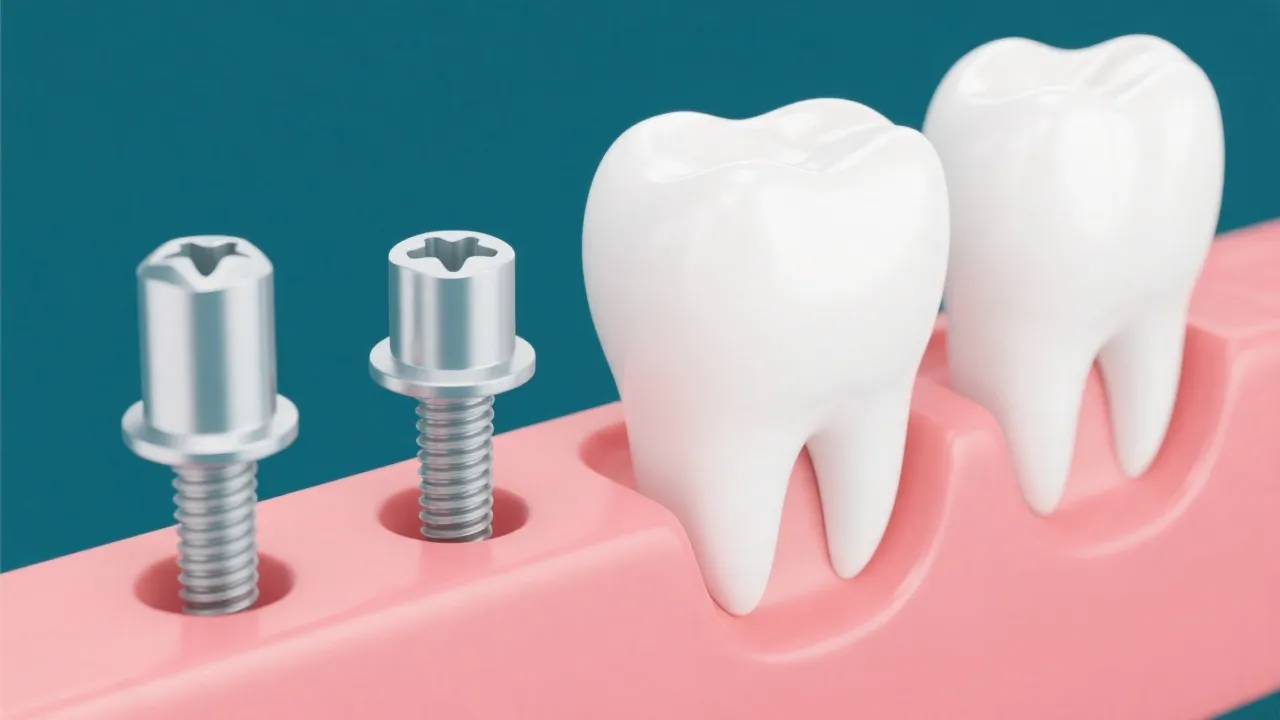
This guide delves into the realm of affordable dental implants, highlighting options like the $150 dental implants to cater to budget-conscious patients. Dental implants serve as superior solutions for tooth loss, offering durability and functionality akin to natural teeth. This article provides expert insights into how you can achieve affordable dental implants, alongside a comprehensive comparison of low-cost dental providers.
This guide explores the landscape of low-cost dental implants, offering insights on obtaining $150 dental implants while comparing major providers globally. Dental implants are recognized as a pivotal solution for replacing missing teeth, ensuring both functionality and aesthetics. Their reputation stems from their durability and the natural feel they provide, making them a preferred choice over traditional dentures or bridges.