Search
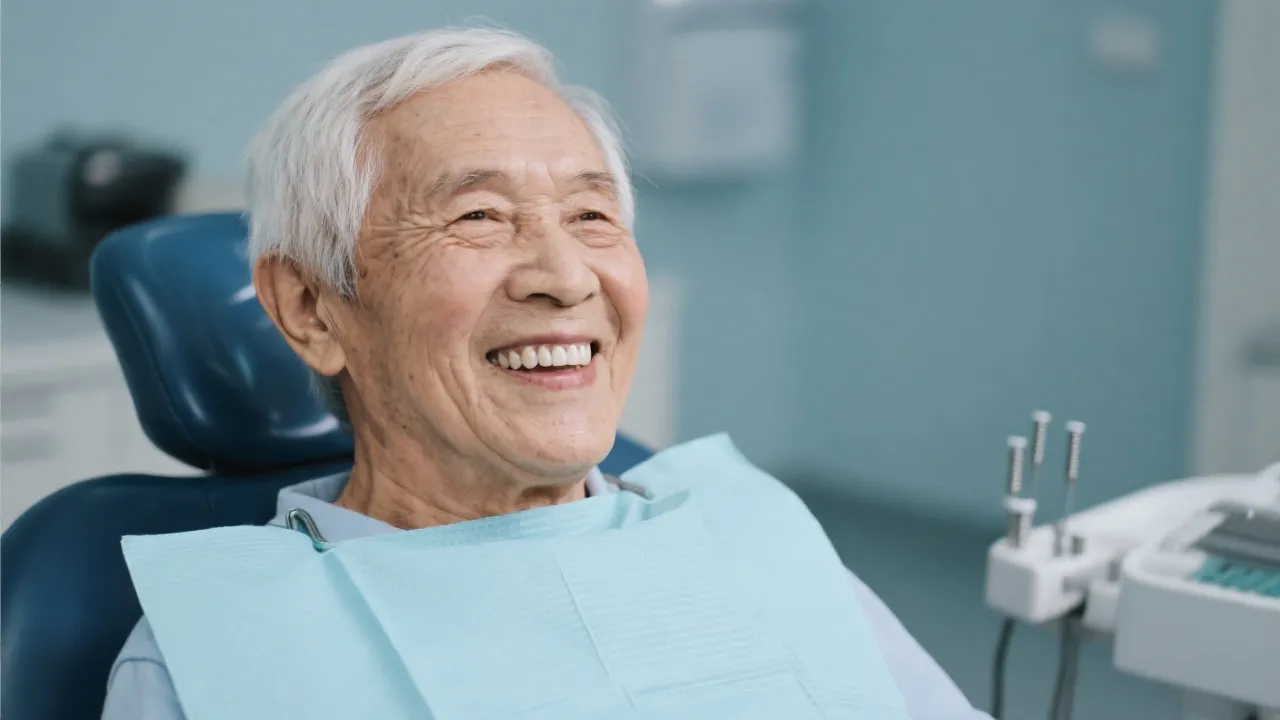
This article delves into the essential aspects of dental implants for seniors, providing a comprehensive overview of this dental solution's benefits and potential challenges. Dental implants are a widely adopted method for replacing missing teeth, especially in older adults. They offer a good solution that supports overall oral health and quality of life.
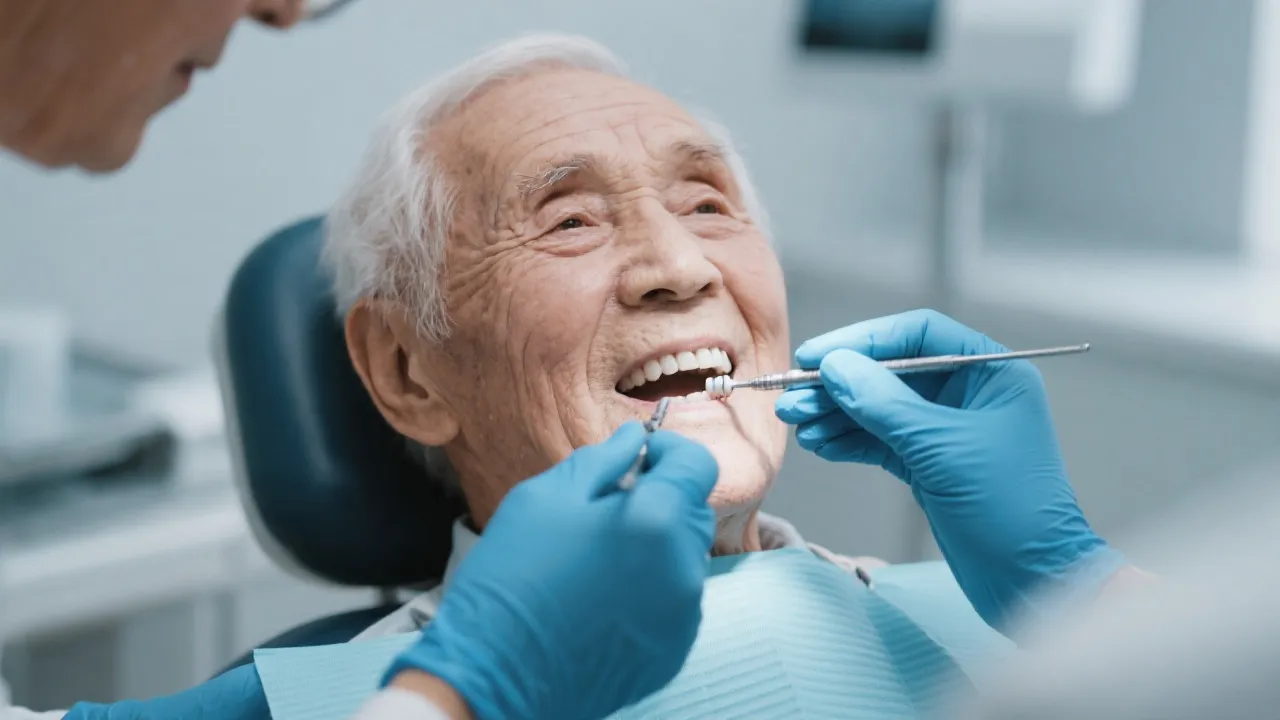
Dental implants have become an invaluable option for seniors facing tooth loss. With age, maintaining dental health can become increasingly challenging due to factors such as bone density loss and gum recession. However, modern dentistry offers solutions that address these issues effectively. Dental implants provide a stable and natural-looking option to replace missing teeth, significantly impacting not only aesthetics but oral health and overall well-being.
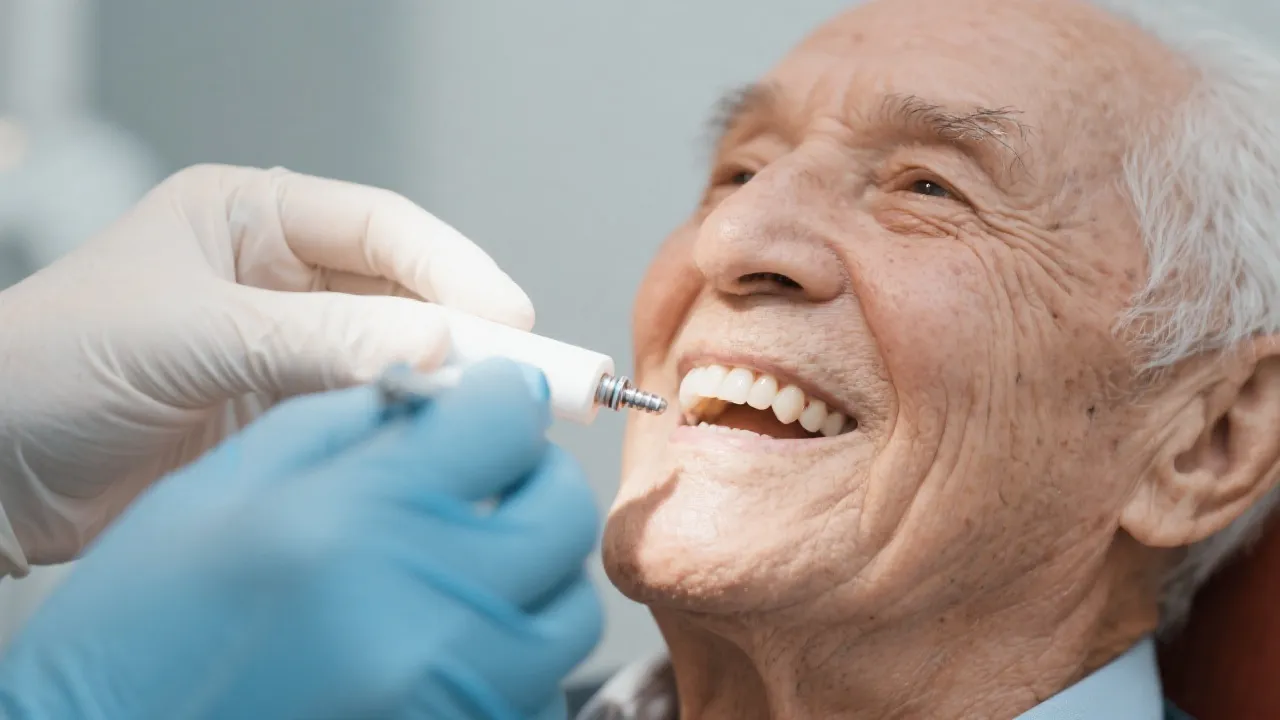
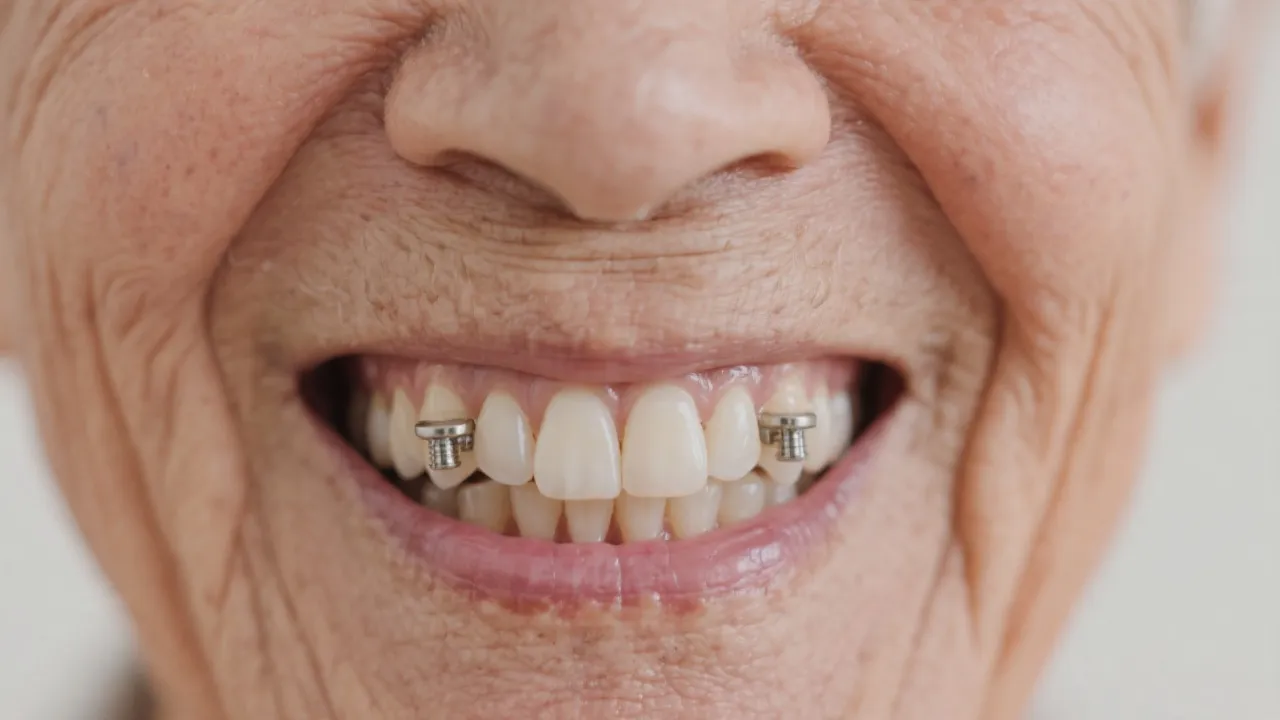
For seniors, the importance of oral health cannot be overstated. Oral health is closely linked to general health; poor dental hygiene can lead to various health complications, including cardiovascular issues and diabetes. Therefore, addressing tooth loss through implants not only restores smiles but also promotes better health. Dental implants play a pivotal role in preserving jawbone integrity, which is crucial as seniors are prone to bone degeneration. The titanium post of the implant fuses with the bone in a process known as osseointegration, providing a strong foundation for replacement teeth.
Beyond the physical benefits, dental implants also significantly enhance the social and psychological aspects of a person’s life. Tooth loss can lead to self-consciousness, embarrassment, and even withdrawal from social interactions. On the contrary, dental implants restore one's ability to chew effectively, speak naturally, and smile confidently, allowing seniors to engage more freely in social activities. In this way, dental implants contribute to a higher quality of life.
The journey to receiving dental implants involves multiple steps, which can seem daunting but are manageable when broken down:
In English-speaking countries, the cost for a single dental implant can vary significantly due to a variety of factors. Understanding these costs can help seniors make informed decisions:
| Country | Cost Range |
|---|---|
| United States (US) | $3,000 - $6,000 USD |
| United Kingdom (GB) | £2,000 - £2,500 GBP |
| Australia (AU) | AU$3,500 - AU$6,500 AUD |
| Canada (CA) | CA$3,000 - CA$5,500 CAD |
These figures reflect general estimates and can differ based on the specific dental provider and geographic location. It's crucial for seniors to explore multiple options and potentially seek dental insurance or payment plans to manage costs effectively. Additionally, it's beneficial to inquire about the total costs involved, including consultations, imaging, surgeries, and follow-up visits.
For cost-conscious seniors, several resources provide affordable dental implant options that help alleviate financial burdens:
| Website | Feature |
|---|---|
| Dental Views | Focus on affordable implant solutions, complete with cost breakdowns and treatment options, tailored to seniors' needs. |
| Atlantic Dental Group | Comprehensive services including implants, with accessible pricing information and financing plans that cater to budget constraints. |
| DentaVacation | Facilitates dental tourism for reduced treatment costs in foreign countries, offering package deals to combine travel with dental care. |
| Dental Schools | Many dental schools offer lower-cost implant services performed by supervised students as part of their training, providing high-quality care at a reduced price. |
| Community Health Centers | These centers may provide grants or sliding scale fees based on income, making dental care more accessible for seniors. |
| Care Credit | A specialized healthcare credit card that allows patients to finance their dental procedures and spread out payments over time. |
Source: Dental Views, Atlantic Dental Group, DentaVacation
Additionally, dental schools, community health centers, and care credit options can provide financial relief or more feasible payment plans for those exploring lower-cost implant possibilities. It’s worth noting that while saving money is important, the quality of care should always remain a priority, as cutting corners on dental work can lead to complications and additional costs later on.
1. Are dental implants safe for seniors?
Yes, dental implants are generally safe for seniors in good health. However, a dentist will evaluate if an individual is fit for the implant process based on overall health and bone density. Factors such as osteoporosis or chronic diseases can impact the decision-making process.
2. How long do dental implants last?
With appropriate care and maintenance, dental implants can last many years, often a lifetime. Regular dental visits and maintaining hygiene practices play pivotal roles in the longevity of these implants.
3. Is the implant procedure painful?
The procedure is typically performed under local anesthesia, minimizing discomfort. Post-surgery pain is manageable with prescribed medication, and most patients report that the discomfort is less than anticipated.
4. What are the risks associated with dental implants?
Like all surgical procedures, dental implants carry some risks, such as infection, nerve damage, and complications with the sinuses. However, when performed by experienced dental professionals, these risks are minimized.
5. Can anyone get dental implants?
Most seniors can receive dental implants, but those with certain health conditions or insufficient bone density may need extra treatments, such as bone grafting, before proceeding.
Dentists emphasize the life-enhancing benefits of dental implants for seniors, especially in terms of functionality and aesthetics. While the costs can seem daunting, exploring various options and consulting with experienced dental professionals can unveil pathways to achieving a healthier, more confident smile. The move towards dental implants can be seen as an investment in both health and quality of life, supporting independence and social engagement that is crucial in the later years.
By addressing potential obstacles and embracing dental technology advancements, seniors can navigate the landscape of oral health more effectively and enjoy the freedom that comes with having a full set of functional teeth. Regular communication with dental care providers keeps seniors informed about their options and empowers them to make choices that best suit their lifestyle and health goals.
The above information is derived from online resources and is accurate as of October 2023. Dental implant prices are indicative only and may vary by region, clinic, and doctor. It is crucial for individuals seeking dental implants to consult with their dental care providers to obtain personalized recommendations and detailed cost estimates.
References:
Dental Views
Atlantic Dental Group
DentaVacation
In conclusion, as we move forward into an age where dental health plays an integral role in overall well-being, it’s essential that seniors are educated about their options. The journey toward enhanced oral health through dental implants represents a significant stride towards preserving not only physical health but also psychological, emotional, and social well-being. Embracing this opportunity can lead to longer, happier, and healthier lives.

This comprehensive guide delves into dental implants for seniors, exploring their benefits, costs, and accessibility. Dental implants offer a sustainable solution for tooth replacement, significantly enhancing the quality of life for seniors. The financial aspect is crucial, as aging individuals may face budgetary constraints; hence, exploring affordable implant options is vital for this demographic to access necessary dental care.

This comprehensive guide explores the world of dental implants specifically designed for seniors. As individuals age, maintaining oral health becomes increasingly important, and dental implants offer a viable solution to missing teeth. The article delves into the benefits of these procedures, addresses common concerns, and provides a thorough comparison of low-cost options available in English-speaking countries.

This guide provides an in-depth look into the realm of dental implants for seniors. With advancing age, maintaining oral health becomes increasingly important, and dental implants offer a reliable solution for tooth replacement. The article covers the benefits, processes, and cost considerations, providing insights into affordable dental care options specifically tailored to senior needs.
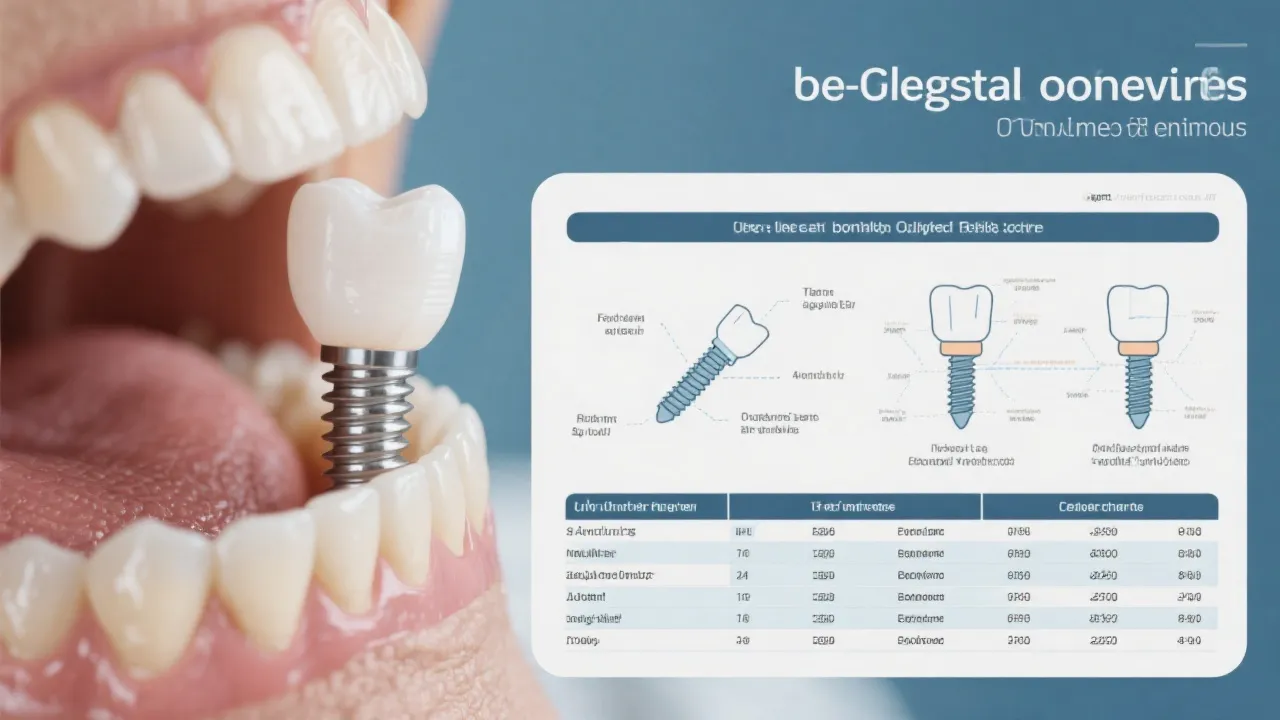
This comprehensive guide explores the world of dental implants tailored for seniors, highlighting their significance in maintaining oral health and quality of life. Dental implants are artificial tooth roots used to support restoration for missing teeth. They offer a durable solution, improving both aesthetic appearance and functionality, particularly vital for seniors facing tooth loss.

Dental implants provide seniors with a durable solution for missing teeth, enhancing both function and aesthetics. This guide explores the advantages and challenges of dental implants for seniors, offering insights into costs, procedures, and affordable options. It delves into the critical aspects of understanding and obtaining dental implants, especially pertinent to the needs of senior individuals.

This comprehensive guide explores the nuances of dental implants for seniors, offering an essential understanding of how implants can enhance oral health in later life. Dental implants have revolutionized senior dental care, providing an effective solution for tooth loss. By offering insights into costs, procedures, and considerations, we help seniors make informed decisions about pursuing this transformative dental treatment.
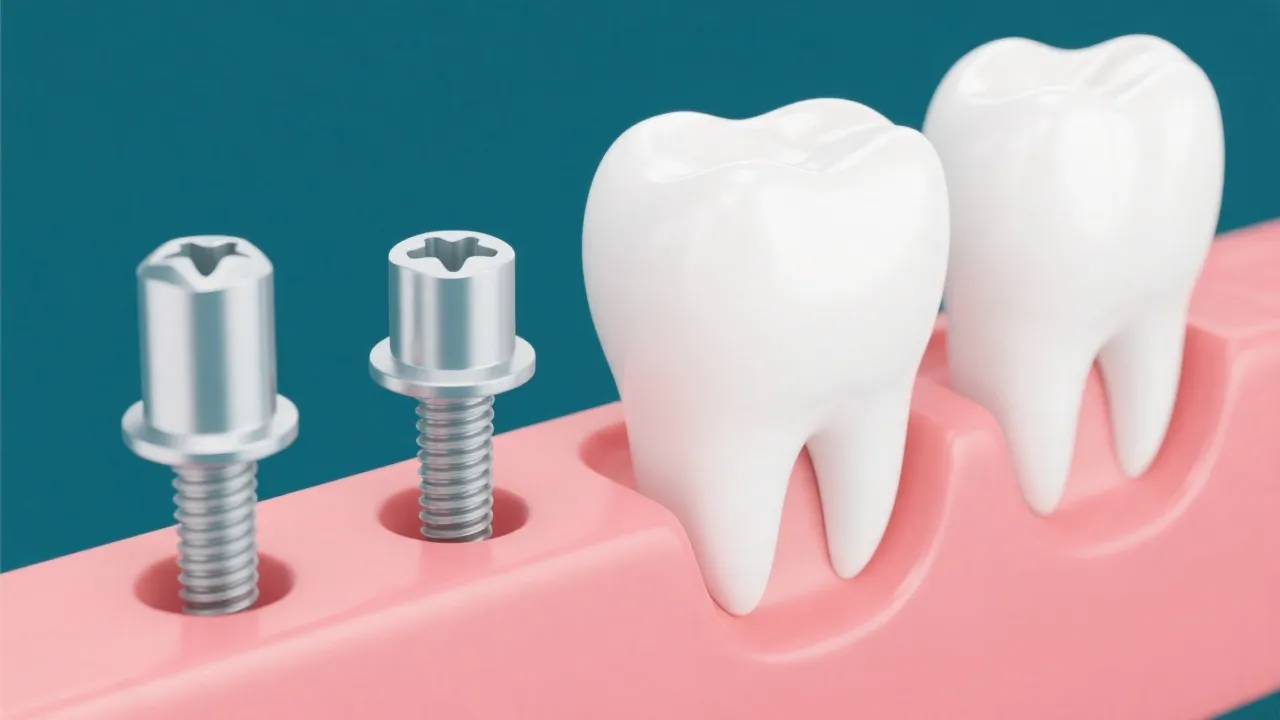
This guide delves into the realm of affordable dental implants, highlighting options like the $150 dental implants to cater to budget-conscious patients. Dental implants serve as superior solutions for tooth loss, offering durability and functionality akin to natural teeth. This article provides expert insights into how you can achieve affordable dental implants, alongside a comprehensive comparison of low-cost dental providers.
This guide explores the landscape of low-cost dental implants, offering insights on obtaining $150 dental implants while comparing major providers globally. Dental implants are recognized as a pivotal solution for replacing missing teeth, ensuring both functionality and aesthetics. Their reputation stems from their durability and the natural feel they provide, making them a preferred choice over traditional dentures or bridges.