Search
This comprehensive guide explores the world of dental implants tailored for seniors, highlighting their significance in maintaining oral health and quality of life. Dental implants are artificial tooth roots used to support restoration for missing teeth. They offer a durable solution, improving both aesthetic appearance and functionality, particularly vital for seniors facing tooth loss.
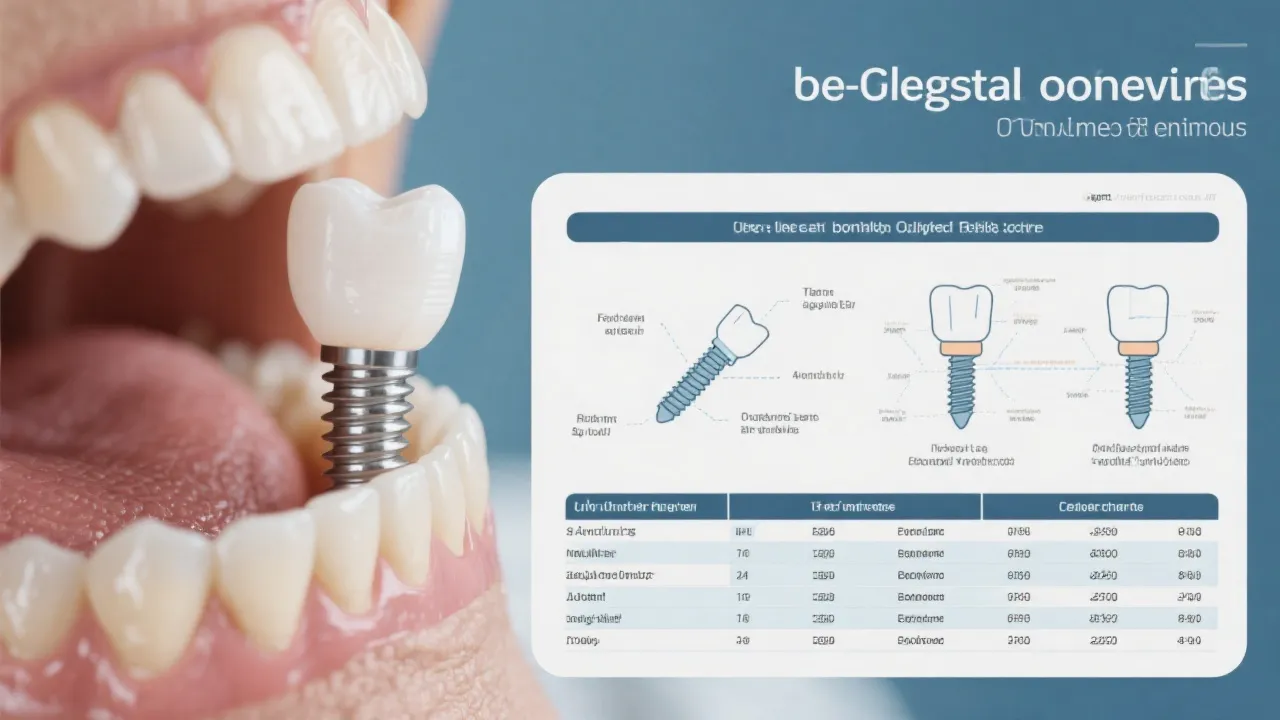
Dental implants provide a good and reliable solution for seniors experiencing tooth loss. Missing teeth in mature adults can lead to difficulties in chewing, speaking and may impact self-esteem. This guide aims to shed light on the benefits, processes, and considerations involved in acquiring dental implants, especially for older adults and ensuring that they maintain a good quality of life.
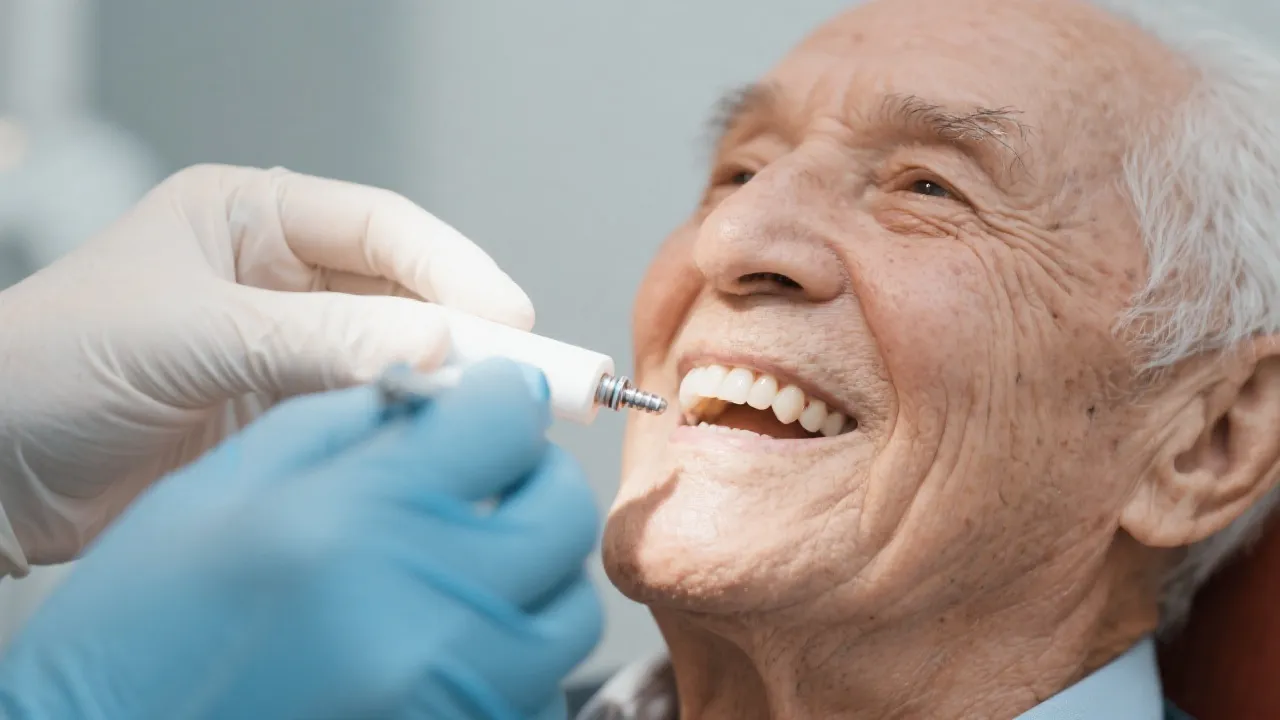
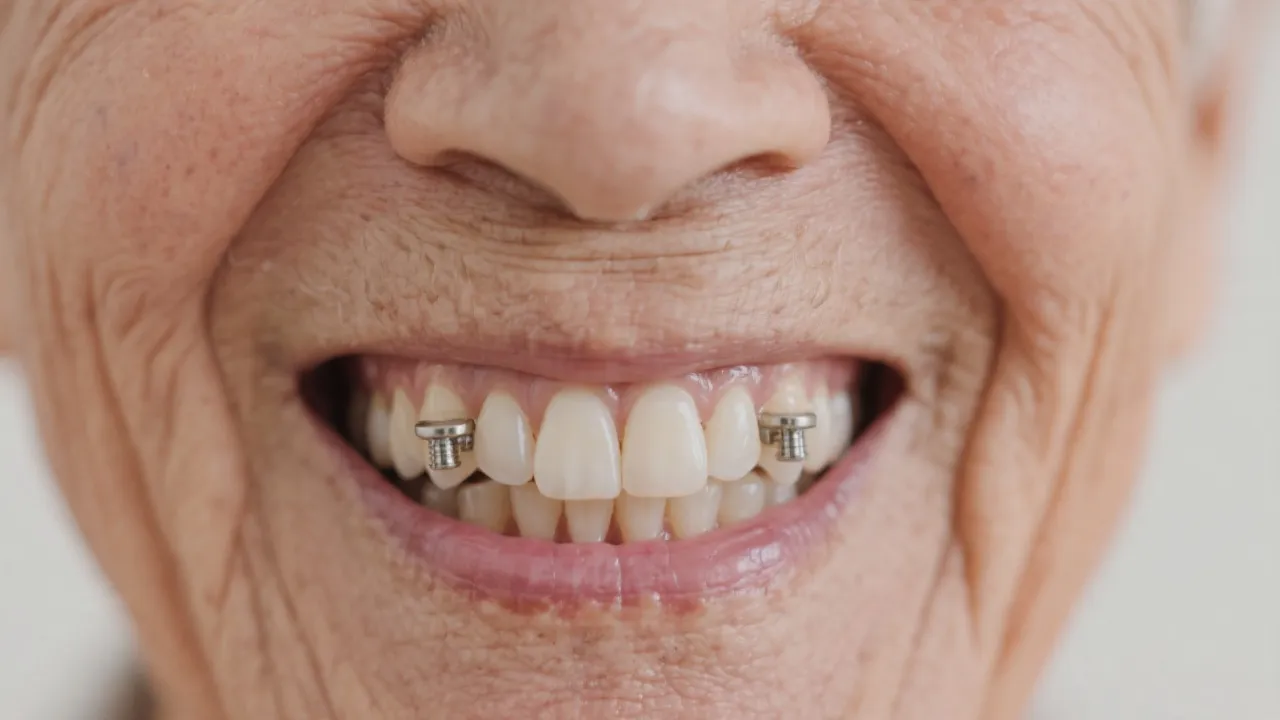
As we age, natural tooth loss can occur due to a variety of reasons, including gum disease, tooth decay, or injury. Dental implants, which act as artificial roots fixed in the jawbone, provide a secure foundation for fixed or removable replacement teeth. For seniors, these implants enhance the ability to chew and talk properly, reduce the discomfort associated with dentures, and prevent the sagging of facial structure by preserving bone density. Understanding these benefits can help seniors make informed decisions about their dental health.
In addition to the functional advantages, dental implants can also significantly boost self-confidence and improve social interactions, which can be especially important for seniors. When seniors feel good about their appearance and dental health, they are more likely to engage with others and participate in activities that contribute positively to their overall well-being.
Tooth loss can have profound psychological effects, particularly on older adults. Many seniors may feel embarrassed or self-conscious about gaps in their smile, which can deter them from socializing or participating in activities they once enjoyed. Studies have shown that such psychological effects can lead to feelings of isolation and depression.
By opting for dental implants, seniors can restore not just their smiles, but also their confidence. The restoration of normal functions such as eating and speaking ultimately enhances their quality of life. Furthermore, feeling secure in one’s appearance can encourage seniors to engage more in social situations, fostering connections with others and enhancing their mental health.
Acquiring dental implants does not have to be financially burdensome. Below are steps for obtaining cost-effective solutions in English-speaking regions:
| Country | Currency | Price Range |
|---|---|---|
| United States (US) | USD | $3,000 - $6,000 |
| United Kingdom (GB) | GBP | £2,000 - £2,500 |
| Australia (AU) | AUD | AU$3,500 - AU$6,500 |
| Canada (CA) | CAD | CA$3,000 - CA$5,500 |
| Website | Focus |
|---|---|
| Dental Views | Low-cost solutions with comprehensive process information |
| Atlantic Dental Group | Variety of services including implants, cleaning, orthodontics |
| DentaVacation | Dental tourism for affordable care overseas |
Sources: Dental Views, Atlantic Dental Group, DentaVacation
For seniors seeking affordable dental implants, dental tourism has emerged as a popular option. This involves traveling to another country to receive dental treatment at a significantly reduced cost. Countries like Costa Rica, Mexico, and Thailand have become hubs for dental tourists due to their high standard of care and lower prices.
In addition to the cost savings, dental tourism can also offer the opportunity for seniors to combine their dental treatments with a vacation. Many clinics cater specifically to international patients, providing not only dental services but also assistance with travel arrangements, accommodations, and post-treatment care. However, it's important for seniors considering this option to thoroughly research clinics, read reviews, and ensure that the facility meets international standards.
For seniors who have opted for dental implants, ensuring their long-term success is crucial. Here are some essential tips to maintain dental implants:
Dental implants offer a significant improvement in quality of life for seniors facing tooth loss. The ability to eat, speak, and smile with confidence is invaluable. With options available to make implants more accessible and affordable, older adults can continue to enjoy their lives more fully, with restored functionality and aesthetic appearance. It's important to consider the various factors, from financial aspects to overall health, when making decisions about dental implants. Positioning oneself with the right information can make all the difference in ensuring a successful dental implant journey.
1) The above information comes from online resources, and the data is as of October 2023. 2) Dental implant prices are for reference only and may vary by region, clinic, and doctor.
References
Hearing about real-life experiences can be incredibly reassuring for seniors considering dental implants. Many older adults have shared transformative stories about how dental implants changed their lives for the better.
For instance, Emily, a 68-year-old retiree, had lived with missing teeth for over a decade. She described feeling embarrassed to smile and avoided social gatherings because of her insecurities. After receiving dental implants, Emily reported that she felt as if she had “a new lease on life.” She could eat her favorite foods again and attend family functions without feeling self-conscious. Her self-esteem soared, and she even joined a local bridge club, where she has made new friends.
Another story comes from Tom, a 75-year-old veteran, who had faced difficulties with dentures slipping and irritating his gums. After consulting with a dental professional, he decided to invest in implants. Tom spoke of the freedom that came with not having to worry about his teeth while speaking or eating. He humorously noted that one of his grandchildren said he now “has the best smile” in the family.
These stories exemplify the emotional and practical benefits that dental implants can bring to seniors. They represent a path toward greater joy and fulfillment in everyday life, showcasing the profound impact that such a transformation can have on one’s well-being.
The field of dentistry is constantly evolving, with advancements in technology continuously improving the processes and outcomes associated with dental implants. Some innovative trends to keep an eye on include:
These evolving technologies and techniques promise to make dental implant procedures more efficient, comfortable, and accessible for seniors, ensuring that dental care continues to advance alongside the needs of an aging population.
One of the fundamental aspects of accessing dental care, particularly for seniors, is fostering open discussions about oral health with family, caregivers, and healthcare professionals. Seniors may have various perceptions about dental procedures that may cause hesitance or fear. Open communication can help address those fears and provide clarity on what to expect from dental implant procedures.
Caregivers and family members play a crucial role in encouraging senior loved ones to seek dental care. They can help by accompanying them to appointments, asking questions, and ensuring they understand the information provided by dental professionals. This support can foster a positive attitude towards dental health and increase the likelihood that seniors will pursue the treatments necessary for maintaining their well-being.
Education about the benefits and advancements in dental care can also empower seniors to take charge of their oral health. By being informed about their options, they can make better decisions regarding their dental needs.
As the global population ages, dental health among seniors will continue to be a significant concern. Ensuring that older adults have access to high-quality dental care, including implants, is essential for maintaining their quality of life. By understanding the benefits, processes, and potential financial options available for dental implants, seniors can take proactive steps toward a brighter future filled with confidence and joy.
Embracing dental health is about more than just having a beautiful smile; it touches on self-esteem, social connections, and overall mental health. For seniors contemplating dental implants, the journey may seem daunting, but the rewards can be immense. With continuous advancements in technology and increased accessibility to care, dental implants can be a viable, life-enhancing option for many seniors.
References:

This comprehensive guide delves into dental implants for seniors, exploring their benefits, costs, and accessibility. Dental implants offer a sustainable solution for tooth replacement, significantly enhancing the quality of life for seniors. The financial aspect is crucial, as aging individuals may face budgetary constraints; hence, exploring affordable implant options is vital for this demographic to access necessary dental care.
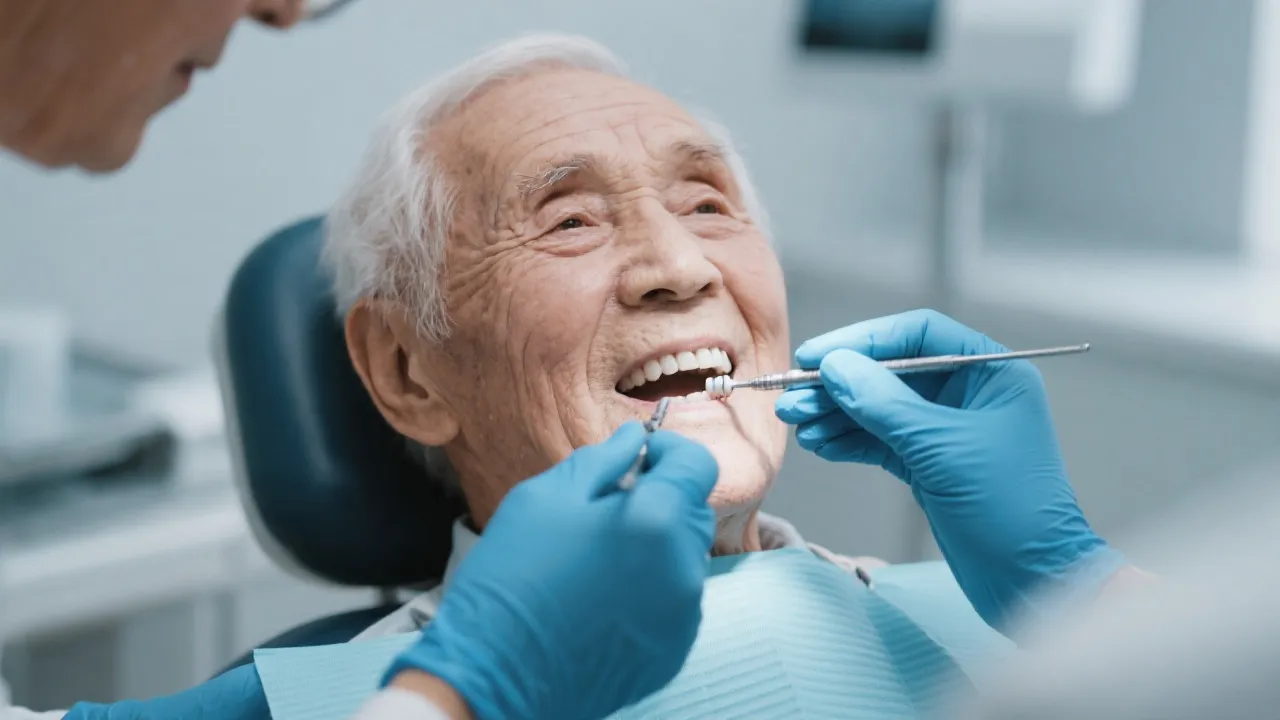
This article delves into the essential aspects of dental implants for seniors, providing a comprehensive overview of this dental solution's benefits and potential challenges. Dental implants are a widely adopted method for replacing missing teeth, especially in older adults. They offer a good solution that supports overall oral health and quality of life.

This comprehensive guide explores the world of dental implants specifically designed for seniors. As individuals age, maintaining oral health becomes increasingly important, and dental implants offer a viable solution to missing teeth. The article delves into the benefits of these procedures, addresses common concerns, and provides a thorough comparison of low-cost options available in English-speaking countries.

This guide provides an in-depth look into the realm of dental implants for seniors. With advancing age, maintaining oral health becomes increasingly important, and dental implants offer a reliable solution for tooth replacement. The article covers the benefits, processes, and cost considerations, providing insights into affordable dental care options specifically tailored to senior needs.

Dental implants provide seniors with a durable solution for missing teeth, enhancing both function and aesthetics. This guide explores the advantages and challenges of dental implants for seniors, offering insights into costs, procedures, and affordable options. It delves into the critical aspects of understanding and obtaining dental implants, especially pertinent to the needs of senior individuals.

This comprehensive guide explores the nuances of dental implants for seniors, offering an essential understanding of how implants can enhance oral health in later life. Dental implants have revolutionized senior dental care, providing an effective solution for tooth loss. By offering insights into costs, procedures, and considerations, we help seniors make informed decisions about pursuing this transformative dental treatment.
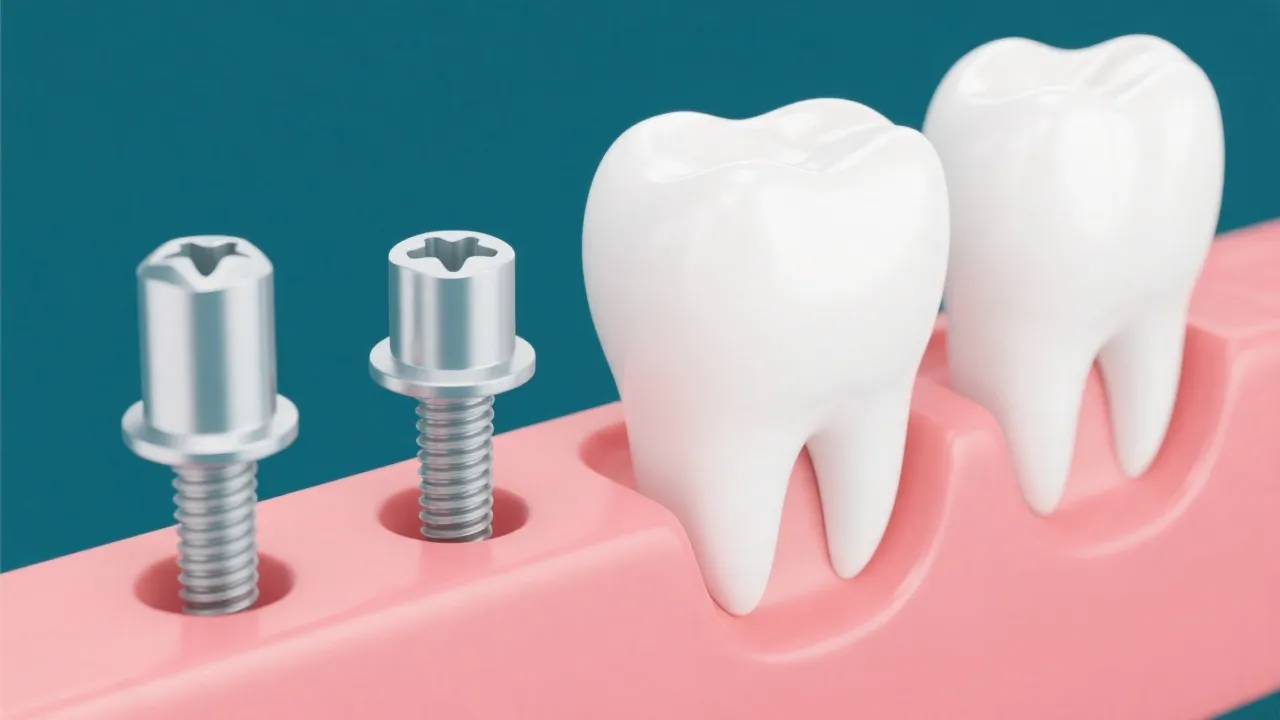
This guide delves into the realm of affordable dental implants, highlighting options like the $150 dental implants to cater to budget-conscious patients. Dental implants serve as superior solutions for tooth loss, offering durability and functionality akin to natural teeth. This article provides expert insights into how you can achieve affordable dental implants, alongside a comprehensive comparison of low-cost dental providers.
This guide explores the landscape of low-cost dental implants, offering insights on obtaining $150 dental implants while comparing major providers globally. Dental implants are recognized as a pivotal solution for replacing missing teeth, ensuring both functionality and aesthetics. Their reputation stems from their durability and the natural feel they provide, making them a preferred choice over traditional dentures or bridges.